Top 10 Most/Least Expensive Cars to Insure
Most Expensive:
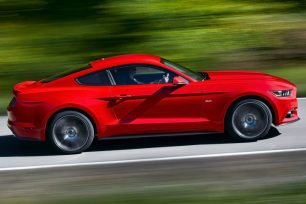
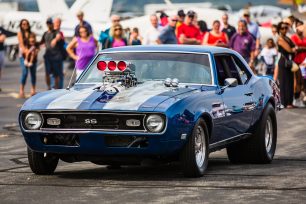
Imagine you’re driving to work in your brand new red sports car. You’re weaving
in and out of lanes and laughing at the people you pass driving to work in their over-
sized, gas-guzzling SUVs.
Well, while laughing, think about this: although SUVs do spend more money on gas,
you’re probably spending much more on your auto insurance premium. According to the
Insurance Institute for Highway Safety, faster cars get into more accidents—particularly
when the person behind the wheel is a young and inexperienced driver.
As a whole, smaller cars (which, in turn, tend to be faster as well) are more attractive to
young car buyers, mainly due to the fact that these cars are likely less expensive when
compared to larger vehicles. However, younger drivers also seem to be a bit riskier on
the road, and use the small size of their vehicle to burn through traffic.
The Subaru Impreza WRX, the Mitsubishi Lancer, the Acura RSX, and the Nissan Sentra
SE-R are the vehicles with the highest collision rates, mainly because the drivers of these
cars tend to be younger, and the way they drive causes more accidents.
However, don’t expect every car on the list of ‘Most Expensive Cars to Insure’ to be
small, sporty vehicles. The #1 most expensive car to insure is the Cadillac Escalade EXT
4WD. If you’re wondering why this would top the list when every other car is small,
sporty, and relatively affordable, the answer is simple: theft appeal.
The Cadillac Escalade is one of the most popular and most recognized car in its class. It
represents wealth, class, and style. Not only is this car looked favorably upon by older
generations, but also this is one of the hottest and most desired cars amongst the younger
generation. In addition, everything in an Escalade can be placed and attached into a
Suburban, making this car hot not only to all generations, but hot for thieves as well.
According to Bankrate.com, due to its desirability, Cadillac Escalade owners deal with a
comprehensive premium of six times the national average.
Least Expensive:
Fortunately, for those starting a family or thinking of starting a family, the cars
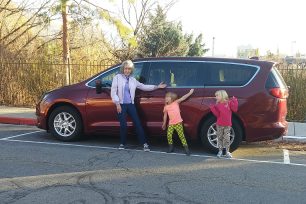
likely to have the lowest insurance costs are large sedans, mid-sized SUVs, or minivans;
namely vehicles ideal when traveling in packs.
The reason is simple; perhaps it’s because children are quite often in these vehicles, but
generally those driving family-car-like vehicles are less likely to be driving recklessly.
Additionally, one is less likely to use such vehicles as transportation to and from work,
therefore lowering the chances that it will be on the road during rush hour, a time when
the likelihood of accidents increase.
Other reasons these vehicles make the list of ‘Least Expensive Cars to Insure’ is because
many times these vehicles are kept in a private driveway or garage. Doing this lowers the
chances of theft, not to mention that these cars are deemed less desirable to thieves.
Still remember, however, that this list does not mean that the larger a vehicle is, the lower
the insurance costs will be. There are many vehicles that are so large that they cause
more damage on average to other cars when in an accident. For example, all models of
the Hummer are associated with causing higher damages in accidents, and because of
this, the auto insurance premiums tend to be more expensive.
10 Most Expensive Cars to Insure
1. Cadillac Escalade EXT 4WD
2. Subaru Impreza WRX 4WD
3. Hyundai Tiburon
4. Mitsubishi Lancer
5. Scion tC
6. Acura RSX
7. Nissan Sentra SE-R
8. Suzuki Forenza
9. Nissan Sentra/Mitsubishi Eclipse
10. Chevrolet Cobalt two-door
10 Least Expensive Cars to Insure
1. Ford Five Hundred 4WD (now the Ford Taurus)
2. Buick Rendezvous 4WD
3. Buick Lucerne/Buick Rainer 4WD/Honda Odyssey
4. Ford Freestyle 4WD/Suburu Outback 4WD
5. Buick Rendezvous/Honda Pilot
6. Chrysler Town & Country LWB
7. Honda Pilot 4WD
8. Buick LaCrosse/Chevrolet Uplander/Ford Escape/Volvo V70
9. Dodge Grand Caravan/Ford Freestyle 4WD
10. Ford Explorer 4WD/GMC Sierra 1500 4WD/Toyota Highlander/Toyota Sienna.
In addition to comfort, resale value and gas mileage, it is important to find out exactly
how much that leased or purchased car is going to cost to insure. You may be in for a
rude awakening if that “perfect” car has insurance costs that make your eyebrows jump
off your head!
For more information or to obtain an insurance quote for your next car, go to InsuranceQuotes.com.
Consumer Reports Analysis: Some Hybrid Cars Can Save Owners Thousands of Dollars Over Five Years
Toyota Prius and hybrid versions of Chevrolet Malibu, Chevrolet Tahoe,
Ford Escape, Saturn Vue, and Toyota Camry pay back price premium after one
year
YONKERS, N.Y., Sept. 2 /PRNewswire-USNewswire/ — With gas prices
soaring, Consumer Reports’ latest analysis of owner costs shows that
drivers can save anywhere from $500 to $4,250 over a five year ownership
period by choosing selected hybrids rather than similar conventional
gasoline-powered vehicles.
Six of the 12 hybrids CR experts looked at — Toyota Prius and hybrid
versions of the Chevrolet Malibu, Chevrolet Tahoe, Ford Escape, Saturn Vue,
and Toyota Camry — can save consumers about $500 to $4,250 even without
tax credits, and pay back their price premium after only one year. For
several of these hybrids, owners can save even more by taking advantage of
federal tax credits.
CR experts compared the five-year owner costs of 12 hybrids with those
of similar conventional vehicles using Consumer Reports’ new-car owner-cost
estimates, introduced in the April 2008 issue.
The Toyota Camry hybrid, which gets 34 mpg overall in CR’s tests, saves
the most money, about $4,250 over five years compared with a similarly
equipped four-cylinder Toyota Camry XLE, which gets 24 mpg.
The Saturn Vue Greenline Hybrid can save about $3,000, while the Toyota
Prius and Chevrolet Tahoe save $2,000 and $1,500 respectively, when
compared to their non-hybrid counterparts. With tax credits, the Vue and
Tahoe come out ahead by about $4,500 and $3,700. Federal tax incentives are
no longer available for Toyota and Lexus hybrids.
The report, “Which Hybrids save you money” is available in the
redesigned October issue of Consumer Reports, on sale September 2 on
newsstands and online at http://www.ConsumerReports.org.
The October issue of CR also features an analysis of how drivers can
save gas and money by opting for a car with a stick shift. In recent tests,
Consumer Reports found that cars with a manual transmission can improve gas
mileage by a notable 2 to 5 mpg, compared with an automatic transmission,
and can cut a car’s price by $800 to $1,200.
It would take many years for most hybrids to pay back their premium
price just on fuel savings alone. But fuel costs are a relatively small
part — 25 percent — of the overall owner costs in the first five years.
Other factors include depreciation, insurance, interest on financing,
maintenance and repairs, and sales tax.
Cost estimates were based on driving 12,000 miles per year and paying
$4 per gallon for regular gasoline and $4.20 for premium.
“Most of the hybrids tested by CR have done really well, but hybrids
have higher initial upfront costs,” said Rik Paul, automotive editor,
Consumer Reports. “If you can afford that initial cost, you can be better
off buying one, and driving one might make you feel greener.”
The Honda Civic, Nissan Altima, and Saturn Aura hybrids will cost
drivers a little more than their conventional counterparts — from $250 to
$750 over five years — but some consumers might find it worthwhile to
drive a more environmentally friendly car. With federal tax incentives, all
three come out ahead after just one year.
Three hybrids — the Lexus GS 450h and RX 400h and the Toyota
Highlander Hybrid — cost more than their counterparts in the first five
years. They show five year losses ranging from about $1,250 for the
Highlander to $5,500 for the GS.
Hybrids vs. Conventional Cars
Interest in hybrids has been on a parallel trajectory with gas prices.
Hybrid sales jumped almost 40 percent last year. According to a recent
Consumer Reports survey, 32 percent of active car shoppers are considering
a hybrid for their next vehicle. And this past summer, automakers had a
difficult time keeping up with demand for the most popular models.
In addition to being thrifty with fuel, hybrids emit less pollution,
with some models classified as Partial Zero Emission Vehicles by the
California Air Resources Board. They also release fewer greenhouse gases
because each gallon of gasoline not burned prevents the emission of 19
pounds of carbon dioxide.
The Bottom Line
With higher gas prices, many hybrids now provide a definite benefit in
overall owner cost, despite an initial price premium. Still, if saving
money right out of the gate is important, some conventional cars provide
good fuel economy and cost less than hybrids. Consumer Reports advises
people to decide what type of vehicle is right for them and then to choose
one that gets good gas mileage for its class and rates highly in CR’s road
tests and reliability, safety and ownership-cost ratings.
OCTOBER 2008
(C) Consumers Union 2008. The material above is intended for legitimate
news entities only; it may not be used for commercial or promotional
purposes. Consumer Reports(R) is published by Consumers Union, an expert,
independent nonprofit organization whose mission is to work for a fair,
just, and safe marketplace for all consumers and to empower consumers to
protect themselves. To achieve this mission, we test, inform, and protect.
To maintain our independence and impartiality, CU accepts no outside
advertising, no free test samples, and has no agenda other than the
interests of consumers. CU supports itself through the sale of our
information products and services, individual contributions, and a few
noncommercial grants.
SOURCE Consumer Reports
How Old a Used Car Should You Buy
This is common question amongst used car buyers. That was certainly one of my main questions when I first started looking for a used car. In my experience, I tend to look for cars that are 3-4 years old and less than 30-35K miles and that has worked well for me but that of course depends on your needs. If you’re like my friend who is remodeling his home and is looking for a used car that can just help him haul materials, price is his main concern and not necessarily the mileage as long as the car can serve a temporary purpose of getting him from point A to B.
For people with normal driving needs, according to Tom and Ray Magliozzi (hosts of NPR’s CarTalk) in their book on “How to Buy a Great Used Car,” they advise buying a 2-3 year old car with 20-40K miles. They think that would be the best bet for “people who want to drive a car that looks good, runs well, has up-to-date safety equipment and is very reliable.”
Of course, a lot of the reliability of the car also depends on the manufacturer. We would suggest also consulting Consumer Reports list of Best and Worst used cars – .
Consumer Reports Analysis: Buying a Late Model Used Car Can Save Thousands Over the First Five Years
Buying a three-year-old Toyota Camry can save $13,000 over a five year
period
YONKERS, N.Y., Sept. 2 /PRNewswire-USNewswire/ — A new Consumer
Reports study of owner costs shows that choosing a reliable three-year-old
car instead of a new one can save drivers thousands of dollars over the
first five years. In many cases, that’s enough to pay for all the gas used
during that time.
With relatively low mileage, modern safety and convenience features,
and usually a much lower price than similar new vehicles, late-model used
cars are in the sweet spot of auto deals.
On average, CR’s findings show that consumers can save 32 percent in
the first five years by buying a three-year-old car. Similarly, with a one
or two-year-old car, they can save 19 and 27 percent, respectively.
According to the analysis, buying a 2005 Toyota Camry with a V6 engine,
for example could save consumers about $13,000 over five years compared
with buying a new 2008 version. At $4 per gallon, the driver could pay for
all of his or her gas during that period (based on driving 12,000 miles per
year) and still be almost $2,500 ahead.
Similarly, driving a 2005 Ford Focus can save more than $8,000 over the
first five years, compared with buying the new Focus. And with demand for
big SUVs plummeting and their used-car values dropping, drivers could save
$25,500 over five years by buying a three-year-old Chevrolet Tahoe instead
of a new one.
CR’s five year owner costs are based on: Depreciation — Calculated by
using CR’s Auto Price Service. Fuel costs — $4 a gallon for regular gas
and $4.20 for premium, based on driving 12,000 miles annually and CR’s
overall fuel economy for the vehicle. Insurance — The cost of insuring an
average driver based on data from the Insurance Institute for Highway
Safety. Interest — CR assumed buyers purchased cars with a 15 percent
down on a five-year loan; http://www.Bankrate.com was the source for the
average interest rate. Maintenance and repairs — Data was taken from CR’s
2007 Annual Auto Reliability Survey. Sales tax — Calculated using the
national average at the time of purchase.
“A reliable late-model used car can be one of the best values out there
when buying a car,” said Rik Paul, automotive editor, Consumer Reports.
“Savvy shoppers can also get a more upscale model with more features for
the same owner cost as a less expensive new car.”
The full report is available in the redesigned October issue of
Consumer Reports, on sale September 2 on newsstands and online at
http://www.ConsumerReports.org.
Why used cars are good values
The real key to used-car savings is depreciation, or how much value a
car loses over time. On average, depreciation accounts for a whopping 45
percent of a new vehicle’s owner costs over the first five years, with the
steepest drop in value coming in the first year.
By contrast, a three-year-old vehicle has already taken its biggest hit
in resale value. Its depreciation accounts for only about 25 percent of its
five-year owner costs. Big depreciation for new cars means lower prices for
used cars, which in turn mean lower finance charges and sales tax. When
combined, that can cut owner cost dramatically.
However, CR found that some popular models such as the Mini Cooper and
Toyota Prius don’t depreciate much. So buying a used version of those
models results in modest savings.
Many people shy away from buying a used car because they’re afraid of
buying someone else’s problems. Yet CR’s reliability data show that cars,
overall, are much more reliable than they used to be. Rust and
exhaust-system problems, once common in older cars, are no longer of major
concern. And reliable late-model vehicles usually have few problems
overall. That said, if a car hasn’t been well-maintained, reliability and
value are wild cards.
To check reliability predictions, visit http://www.ConsumerReports.org/cars.
Bottom Line
While most used cars on the market are five years or older, it’s worth
looking for late-model used vehicles that are three years old or less.
Drivers can often find a late-model used car with many of the latest safety
features, such as electronic stability control and side and curtain air
bags. It’s even possible to find one with a transferable factory warranty.
OCTOBER 2008
(C) Consumers Union 2008. The material above is intended for legitimate
news entities only; it may not be used for commercial or promotional
purposes. Consumer Reports(R) is published by Consumers Union, an expert,
independent nonprofit organization whose mission is to work for a fair,
just, and safe marketplace for all consumers and to empower consumers to
protect themselves. To achieve this mission, we test, inform, and protect.
To maintain our independence and impartiality, CU accepts no outside
advertising, no free test samples, and has no agenda other than the
interests of consumers. CU supports itself through the sale of our
information products and services, individual contributions, and a few
noncommercial grants.
SOURCE Consumer Reports
Avoiding Buying a Flood-Damaged Car
In the aftermath of a series of hurricanes, the Better Business Bureau in Texas (in their Press Release yesterday) provides the following tips to avoid buying a flood-damaged car.
In the wake of a major disaster in your area, the Better Business Bureau urges new and used car buyers to be cautious of unscrupulous businesses and individuals who may try to sell flood-damaged cars without revealing the vehicles’ history.
The BBB recommends the following tips to help consumers determine if a car is flood-damaged:
Ask to see the title of a used car. Check the date and place of transfer to see if the car came from a flood-damaged state and if the title is stamped “salvage.”
Check all gauges on the dashboard to make sure they are accurate, and to look for signs of water.
Test the lights, windshield wipers, turn signals, cigarette lighter, radio, heater and air conditioner several times to make sure they work. Also, flex some wires under the dash to see if they bend or crack, since wet wires become brittle upon drying and can crack or fail at any time.
Check the trunk, glove compartment, and beneath the seats and dash for signs of mud, rust or water damage.
Look for discolored, faded or stained upholstery and carpeting. Carpeting that has been replaced may fit too loosely or may not match the interior color.
Check for a well-defined line, or watermark, and for musty odors resulting from mildew.
Check out the reliability of the dealer by contacting the Better Business Bureau where the company is located.
If the car’s history seems suspicious, ask the dealer or individual directly if the car has been damaged by flood water.
Before buying any used car, always get a pre-purchase inspection by a trusted mechanic. The extra cost may save you money in the long run.
More Tips for Buying a Used Car
“Information is power in the hands of a consumer. Used car buyers should learn all they can to save time and money, and prevent problems that can turn a good idea into a nightmare. If a consumer walks into a used-car lot uninformed, what was a good, money-saving idea could end up eating away the savings if the car is a lemon.”
There are several rules of thumb for used vehicle buyers relating to selection of a seller, selecting the car and financing. One of the most important is, if you have your eye on a particular vehicle, pay a trusted mechanic to inspect the car. The extra out-of-pocket expense may save you money down the road if major problems are discovered.
Connecticut BBB offers the following tips for used car buyers:
Do your homework: The Internet can be an invaluable tool for researching and comparing a particular vehicle’s reviews as a used car. Shop for a car that can deliver many miles on a gallon.
Give the car a once-over: A used car inspection can tell many stories about its history and reliability and always should be made in daylight, to ensure you can see any dents, paint defects cracks and other imperfections. Check the accelerator and brake pedal for signs of wear. If they are excessively worn on a car with “low mileage,” the odometer may have been tampered with to turn back the mileage. Also examine the ease with which windows, doors and the trunk open and close. Problems with these may indicate collision or body damage.
Test drive: If the car meets your standards, it is time to go for a test drive. Make a series of stops, starts and turns at different speeds. Drive over rough road and listen carefully for any noises such as clunking and rattling. Never purchase a vehicle without first driving it.
Know the law: If you are buying from a used car dealership, the Federal Trade Commission (FTC) Used Car Rule requires the dealer to post a window sticker disclosing terms of warranty, information on the availability of service contracts, a suggestion the buyer have the vehicle inspected and that the dealer put all promises in writing;
Many complaints to BBBs from used car buyers concern problems found during inspection, and they received only verbal promises from salespeople that the problems would be fixed. Because the commitments were not put in the written sales contract, however, the repairs were often not carried out and the customer was left with no recourse.
If the car is sold with a statement specifying the car is being sold “as is,” this means the consumer must pay for any repairs needed after purchase.
Shop around for financing: Go to several financial institutions with the seller’s proposed purchase and finance contract. This is when a high credit score can result in lower financing interest rates. Compare the annual percentage rate, required down payment and length of the repayment period.
Finally, don’t shop alone when selecting a used vehicle. A second set of eyes and ears can help you uncover any red flags about a particular vehicle, and improve your chances of making a purchase which will pay for itself in gasoline savings.
Step-By-Step Guide to Buying a Used Car
Used cars can save you thousands of dollars on cars just as spectacular as new cars and with relatively low mileage. Used cars can be some of the most fuel efficient vehicles as well. But used cars can also be complete junk and cost you more than a pretty penny.
How do you avoid regretting your used car purchase? How do you remain in control of the steering wheel—and not get taken along for a ride? How do you find the best deal and get a quality car that will best serve your individual needs?
Here are the eight steps that should guide your search for a used car:
Determine your budget. One of the reasons you’re looking to buy a used car is because money definitely is an object. Go over your monthly expenditures and income and determine the maximum amount of money you could spend on a car. If you think you’ll have to take out a loan or use a charge card, make sure you can afford the monthly payments and that the interest rate isn’t too high. If you have the money saved up already, your buying options will be broader since you can pay cash, which is typically preferred when you buy used cars for sale by owner.
Determine your vehicle needs. Why are you buying a car? What are you going to be using the car for? Is low mileage and high fuel efficiency important to you? What kind of features are you looking for? (Automatic transmission, navigation system, air conditioning, power windows, etc.) Do you prefer buying cars from used car dealerships, which can often include warranties? Do you want a used car with a relatively clean vehicle history? (One owner, no accidents, few repairs, etc.)
Go “window” shopping. Go online, get a Kelley Blue Book, or test drive cars at dealerships to research different models, makes, and years of cars to find the vehicle type you might be looking for. Once you know which used car you’d prefer, like a used Honda Civic, a used Honda Accord, a used BMW, or a used sedan…
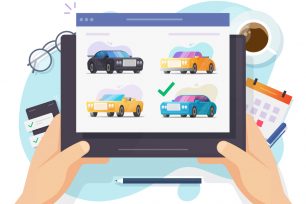
Search through used car listings online. Used car search engines like iSeeCars.com make searching through used car listings on Craigslist, eBay, car classifieds, and on local used car dealership lots a breeze. Compare prices and features like warranties, vehicle histories, condition, and mileage easily.
Contact the sellers of several vehicles that pique your interest. Don’t pick just one yet. You may get excited about a car, but you could find problems with the car once you see it firsthand. Ask the private seller or the used car dealer to tell you more about the car and schedule an appointment to examine and test drive the car. For some tips on the questions to ask the seller when you contact them, see http://blog.iseecars.com/2008/07/28/top-10-questions-to-ask-a-used-car-seller-before-you-buy/
Also, there’s a difference in price and peace of mind depending on whether you purchase a car from a new car dealer, a used car dealer or a private party. Read the pros and cons at http://blog.iseecars.com/2008/08/28/pros-and-cons-of-buying-a-used-car-from-a-dealership-vs-private-party/
Get the vehicle’s VIN number and/or vehicle history report. The seller of the vehicle should be able to provide you with the vehicle’s VIN number from the car title, the owner’s insurance, or from under the windshield. Request an official vehicle history report online. If you’re buying from a used car dealership, you may be able to request this report from the used car dealer. But you should still pull the report from a site like CarFax.com to verify the history. Learn about any accidents or major repairs and factor these into your purchasing decision.
Conduct a thorough examination of the vehicle. Do minor maintenance checks of the vehicle yourself the first time you see it; you should be able to catch any glaring problems, like rust, mismatched paint, and cracked or leaking parts under the hood. If the vehicle passes your first examination, take it for a test drive and bring it to a mechanic whom you trust for a more thorough examination. For tips on the inspections you could do yourself, see the used car inspection checklist at http://blog.iseecars.com/2008/08/15/used-car-inspection-checklist-make-sure-you-bring-this-along/
Negotiate—and don’t let your emotion show. Just like with new cars, the sticker price is the asking price. The seller is likely willing to part with the car for less, but be sure to tread a fine line. If you think the price is fair, start with a bid of $500-1000 less than the asking price. Don’t let the seller know you’re really excited about the car and be sure to let him or her know that you’re still strongly considering other vehicles. The seller may take your price—or at least counter-offer a lower price than the asking price—because he or she’s anxious to get the car sold! For tips on negotiating with a dealer or a private party, see http://blog.iseecars.com/2008/08/21/negotiating-tips-for-buying-a-used-car/
If you have any questions, ask the iSeeCars.com community at http://forum.iseecars.com
For more information on used cars, visit blog.iseecars.com which provides tips, advice, and commentary on searching and buying used cars. The blog is written by the team at iSeeCars.com, a search engine for used cars for sale, created by people who think buying used cars are better than buying new and who are passionate about building better tools and providing helpful insights and information for users to more easily and smartly search for and buy used cars.
Pros & Cons of Buying Used Car from Dealer or Private Party
When you are in the market for a used car purchase, there are a number of factors to consider. Your finances, your personal taste, and your experience with vehicles all play a role in determining where you should turn. This is especially true if one of these categories presents a challenge (such as having a limited amount of funds or knowing virtually nothing about used cars). While there is no single, ideal way to buy a used car, there are pros and cons to help you weigh in on where to purchase your next used car — buying from a New Car Dealership, Used Car Dealership or from a private party or private sellers.
Pros and Cons of Buying from a Dealership
Buying a used car from a dealership is one of the most popular choices for consumers today. Some people consider it a “safe” alternative to buying from a stranger. However, as with most sales venues, there are two sides to this option.
There are 2 types of dealerships. One type is New Car Dealerships (also known as Franchise Dealerships that work with a specific auto manufacturer) which sell new cars but also carry used cars from trade-ins. The other type is Used Car Dealerships which only sell used cars; they procure used cars primarily from car auctions.
Pros and Cons of Buying from a New Car Dealership
Pros:
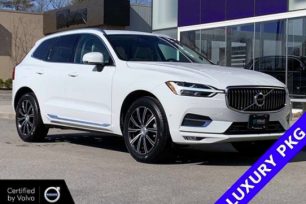
- New car dealers typically offer Certified Used Cars which specifies that their used cars have been looked over by a qualified mechanic and have not been in any undisclosed accident. Oftentimes, the sale of a Certified Used Car comes with some sort of mileage or length of time warranty. Many dealers will also throw in a free year’s worth (or even life-of-the-car’s worth) of car washes or oil changes.
- New car dealerships generally have a large selection of vehicles to choose from providing a better chance to find the specific make, model, color and options you want.
- Additionally, the cars at a new car dealership are probably of better quality that are newer, later model cars with low mileage. Most of the time, these cars are the trade-ins and previously leased vehicles that are in better condition than those sold off at auctions. They are also more likely to carry the manufacturer’s original warranty.
- The service may be better at new car dealers since there are certain customer satisfaction standards they need to meet from auto manufacturers.
Cons
- Cost is also a pretty big factor in buying used cars from a dealership. Although not every vehicle will be grossly overpriced, you will almost always pay more for a vehicle from a dealer than you would with a private seller. After all, you’re paying for business overhead, salaries, and the owner’s profits.
- Car dealerships don’t necessarily have a great reputation for treating customers fairly. It is probably also a case of a few rotten apples spoiling the good ones. Part of the problem is that because most car salesmen work on commission, it is in their best interest to get you to drive home with any car – no matter what while pocketing as big a profit as they can. (CarMax, one of the largest car dealers, is one example of a dealership offering no haggle pricing where the sales people are compensated based on volume rather than profit). Car dealerships can also be intimidating, especially if you don’t know too much about cars.
- This is not to say there aren’t reputable dealers out there. Just make sure to get suggestions from your friends and colleagues. Check with the Better Business Bureau (BBB.org) to see if a certain car dealership has had prior complaints and how those complaints were handled.
Pros and Cons of Buying from a Used Car Dealership
Used car dealerships are often times small businesses and mom and pop operations. They are also called independent dealerships (presumably independent from an auto manufacturer unlike a Franchise dealers) and there are many more of these dealerships than there are new car dealerships. Used car dealerships typically get their cars from auctions and less so from trade-ins.
Pros:
- The prices at used car dealerships are generally lower than a new car dealership partly because they have less overhead.
- There’s also a good number of cars on the lot for you to choose from (CarMax.com is one of the largest used car dealers selling many makes and models)
Cons
- Cars at a used car lot are typically sold with no warranty
- The cars at a used car dealership are also of lower quality and older than those at a new car dealership.
- Used car dealers are not known for their stellar reputation. There’s tendency to do whatever it takes to sell a car even if some of those sales tactics are questionable. As with a new car dealer, make sure to check resources like the Better Business Bureau and do searches on Google to see if there are user reviews of the dealer (dealerrater.com which allows users to comment on their experience shopping at particular dealerships, is also a good source to consult).
Pros and Cons of Buying from a Private Party
Pros:
- One of the biggest upsides to buying a used car from a private seller is the price. Private party sellers typically don’t have any overhead in running a business, they don’t work on commission, and they are often motivated to sell at any price. If you know what you’re looking for as well as the value of the used car you’re considering, you can drive away with a really great deal.
- One way to get a good deal on a car is to buy cars from private sellers who must sell either because they need to move out of town or country or they need the money.
- Buying from a private seller can also get you access to all of the car’s history. This is especially true if the private seller has been the sole owner of the car. He or she will know every accident, every mechanical problem, and even the slight eccentricities of the radio. Assuming you are negotiating with someone who is trustworthy, this can provide you with an invaluable look at the car’s details.
Cons:
- When private parties sell a used car, truck, or SUV, they often have some level of emotional attachment to the vehicle. They also typically have a frame of reference for the cost they originally paid, and they may feel that they deserve a close (if not equal) payout from you. Both of these can lead to the occasional overpricing of the used vehicle.
- There is also no guarantee that the car you’re getting is in good shape. Unless you have your own mechanic check out the car and give it a thumbs up (or you know enough about cars yourself), you may end up driving home with a lemon – and have no legal recourse to rely on to get your money back.
- Probably takes a bit more time and effort than going to a dealership since one private party or individual may only have one car to sell.
The Bottom Line
Buying a used car can be a time-intensive and complicated process, but it doesn’t have to be overwhelming. As long as you know what to expect from used car dealerships as well as private party sellers, you can make an educated decision that will save you time, money, and future mechanical breakdowns.
For more information on used cars, visit blog.iseecars.com which provides tips, advice, and commentary on searching and buying used cars. The blog is written by the team at iSeeCars.com, a search engine for used cars for sale, created by people who think buying used cars are better than buying new and who are passionate about building better tools and providing helpful insights and information for users to more easily and smartly search for and buy used cars.
Negotiating Tips for Buying a Used Car
Finding used cars for sale these days is easier, thanks to the Internet’s help. Classifieds websites like Craigslist, eBay, and especially car classifieds search engines like iSeeCars.com allow you to easily search for used cars for sale from thousands of websites. But how can you determine if you’re getting a fair price? For that matter, how can you stretch a deal to its limit and get a fair price for the used car without prompting a seller to walk away from the deal?
Here are some suggestions and tips that will help you in negotiating the price for a used car.
- Get a vehicle history report - Find out the vehicle’s VIN number and get a vehicle history report. Used car dealerships should be able to provide you with a vehicle history report, but get the VIN number and request your own report to double check the report’s accuracy. Private sellers should be able to provide you with the VIN number from their insurance or car title or from under the windshield. Go online to request a car history report from sites like Carfax or Autocheck.com. This will provide you with a detailed vehicle history, including any accidents.
- Perform a thorough inspection of the vehicle - Used cars can be good deals, but sadly, there are a lot of lemons out there and plenty of people who want take you for every last buck. Perform your own inspection and if the used car appears to pass muster, take the car to a mechanic whom you trust and ask his or her opinion on the condition of the vehicle. Take note of what needs to be repaired or changed and get price estimates on the fixes.
- Determine current market value range for the car - Use either the Kelley Blue Book (KBB.com) or the Edmunds.com site to calculate the market value. These national automotive vehicle valuation and information companies evaluate used cars by make, model, year, and retail vehicle sales in your area to provide good price ranges for fair market value. Adjust the current market value to account for any special options (e.g., navigation, leather, etc), mileage, and car condition. Assume the car is of average condition and select “Good” condition. Once you’ve done that, you can select to see 3 values in KBB: private party price, trade-in price, and retail price. A reasonable price range to use would be between the private party price and the retail price.
- Determine an offer price and the maximum price you’re willing pay - If you’ve determined the seller is asking a fair price, offer to buy the car for some amount off the asking price. Determine the maximum price you’re willing to pay by factoring in the KBB/Edmunds price range, the repair costs that will be required, and your budget. Don’t offer the maximum price you’re willing to pay as the first price. Make your first offer price $500+ below what you’re willing to pay. (But be willing to pay more—just don’t let them know it!) Pretend you don’t hear any questions they might ask right after you make the offer and let them think it over in silence. If they counter-offer, be willing to raise your price a small increment at a time.
- If you determine that they’re charging too much, show them how you calculated the current market value. Tell them you would still like to consider their car, but there is no way you can pay more than market value and you are open to a better offer from them but will have to continue your car search otherwise. Private sellers especially may be too impatient to let you get away and offer to lower their price!
- Get a loan before arriving at the dealership. That way, you can avoid the extra complication of having to talk to the dealer about getting a loan and avoid any unnecessary extra fees the dealers may pile on top.
- Do not show your emotion. This is an odd but important step to remember. Whether dealing with used car dealerships or used cars for sale by owner, don’t let them know when you’re excited or that you definitely want the car. This will make them less likely to negotiate with you when it comes to the price because they’ll have you pegged as a sure sale. Let them know how thoroughly you’ve been researching the used car they have for sale and that you’re also considering several others for sale by someone else.
Be confident in the negotiation and do not be afraid to walk away if the price isn’t right. In this market, there are plenty of used cars for sale, particularly trucks and SUV’s that are in over abundance with little buyer demand. As long as you’ve done your research and armed yourself with the necessary information about the car, the chances are good you won’t get ripped off and could end up with a great deal.
For more information on used cars, visit blog.iseecars.com which provides tips, advice, and commentary on searching and buying used cars. The blog is written by the team at iSeeCars.com, a search engine for used cars for sale, created by people who think buying used cars are better than buying new and who are passionate about building a better tool for users to search for used cars.
Used Car Inspection Checklist: Bring This Along When Buying a Used Car
Buy a used car instead of a new one and you could unearth a real gem of a deal. But there’s also the possibility that the brightest, shiniest gems you find turn out to be nothing more than camouflaged lemons.
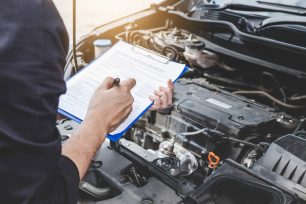
How do you sort out the duds from the studs in your search for used cars? A professional mechanic you trust should perform an inspection on any used car you’re thinking of buying. This applies not only to used cars for sale by owner, but to vehicles from used car dealerships as well.
But before you make an appointment to take that used Honda, used BMW, or whatever kind of used car for sale that has piqued your interest to your trusted mechanic, you could perform a basic inspection yourself. If you spot a lemon early enough, you can skip the professional inspection, saving you time and money.
So make sure you bring along a flashlight, some paper towels, a hand-held mirror, and a small magnet. It’s a good idea to bring a notebook and writing utensil as well to record your results and some hand sanitizer to clean up. If the car has a stereo, you might want to bring a CD or cassette, too, to test to see if the system still works. With all of this on hand, here is used car inspection checklist for the eleven points you should inspect before deciding to buy the used car. It could also help you in your negotiations depending on the issues you find.
1. Check the car history report
Ask for the used vehicle’s VIN number. The seller should have the number available on his or her insurance card or the vehicle title. But you should still confirm the number yourself. The number is typically located beneath the vehicle’s windshield. Use this VIN number to order a car history report. You can visit an online service like Carfax or AutoCheck to get a full history report on the car. This step is crucial; accident and repair history are essential in determining if that shiny coat of paint is hiding something!
2. Check the condition of the used vehicle’s body
Walk around the entire length of the car and bend down and use the flashlight and mirror to look at some out-of-sight seams. Are the gaps around the doors even? Are there signs of rust, particularly above the tires? (This is likely due to salt on the roads in the winter, but it could be signs of a previous accident.) Is the color mismatched in any place? Use the magnet to see if the body is actual metal or Bondo, which is often used in vehicle restoration.
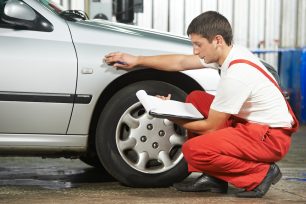
3. Check the tires
What’s the brand of the tires? Are they worn? Are there any cracks? What about the condition of the rims?
4. Check the engine
Make sure the engine is off (and has been for a time) and pop the hood. Bring along your paper towels. Is the engine relatively clean? Are there any signs of rust? Pop off the oil filler cap. Are there any thick black deposits? (This isn’t a good sign.)
5. Check the engine’s oil
Make sure the car is still off. Pull out the dipstick, wipe it as clean as you can with the paper towel, insert the dipstick back into the engine, and pull it out again. There should be “full” and “low” indicators. How high is the current level of oil? Is it a pale amber color (good) or a dark, sludgy color (bad)?
6. Check the automatic transmission fluid
Make sure the car is level, the transmission is in park, and the parking break is on. Turn on the car’s engine. After it idles for a time, pull out the transmission dipstick and wipe it with a paper towel. Place it back and pull it out again. If the car had just been turned on, the fluid should be in between the “cold” indicators. (If it had been driven for a time directly prior to this check, expect it to be within the “hot” indicators.) It should also be a clear reddish color. A brown, sludgy color means it has not been maintained.
If the transmission is manual, you can skip this step. However, when you take the used car for a test drive, make sure that all gear shifts are smooth and that, when driving in second or third gear, a sudden acceleration doesn’t make the clutch slip.
7. Check the brake fluid level
If it’s low, it could be leaking and/or the brake pads could be wearing.
8. Check the engine coolant
Make sure it’s relatively full and a yellowish-green color.
9. Do a final under-hood check with the flashlight and mirror
Does the fan belt look worn? Is anything rusty or leaking? (The air conditioning condenser may be leaking slightly if it has just been used, but this is normal.)
10. Check the interior of the car
Are the seats worn or stained? How about the flooring? Do the visors and cupholders stick? What’s the condition of the seatbelts?
11. Test the electrical features
Make sure to try the car’s indoor lights and the power window controls. Turn on the car to test both the air conditioning and the heat. Here’s also when you can test the music system with the CD or cassette and rock out while you decide if you’ve got a real gem or lemon on your hands!
For more information on used cars, visit blog.iseecars.com which provides tips, advice, and commentary on searching and buying used cars. The blog is written by the team at iSeeCars.com, a search engine for used cars for sale, created by guys who think buying used cars are better than buying new and who are passionate about building a better tool for users to search for used cars.